
Essential Steps for HVAC System Installation
Installing a residential HVAC system is a significant investment for homeowners. It ensures comfort and energy efficiency throughout the year.
A well-installed HVAC system can improve air quality and reduce energy bills. However, the installation process can be complex and requires careful planning.
Understanding the essential steps involved is crucial for a successful installation. From assessing your home’s needs to choosing the right system, each step matters.
Professional installation is key to maximizing the benefits of your HVAC system. This guide will walk you through the process, ensuring you make informed decisions.
Whether you're in St. George, Utah, or elsewhere, these insights will help you achieve optimal comfort and efficiency.
Why Proper Residential HVAC Installation Matters
Proper residential HVAC installation is vital for many reasons. First, a correctly installed system ensures efficient energy use. This reduces monthly energy bills significantly.
A well-installed HVAC system promotes better indoor air quality. It minimizes allergens and pollutants, creating a healthier home environment. Air quality improvements can boost overall well-being.
Incorrect installation can lead to various issues. These include uneven heating or cooling and unexpected system breakdowns. Such problems often result in costly repairs or replacements.
Therefore, choosing professional installation is crucial. It guarantees that all components work harmoniously. Consider these advantages for proper installation:
Enhanced energy efficiency
Consistent indoor temperature
Improved home air quality
Reduced repair costs
In conclusion, investing in quality installation pays off in the long run. It ensures comfort and peace of mind every season.
Assessing Your Home’s HVAC Needs
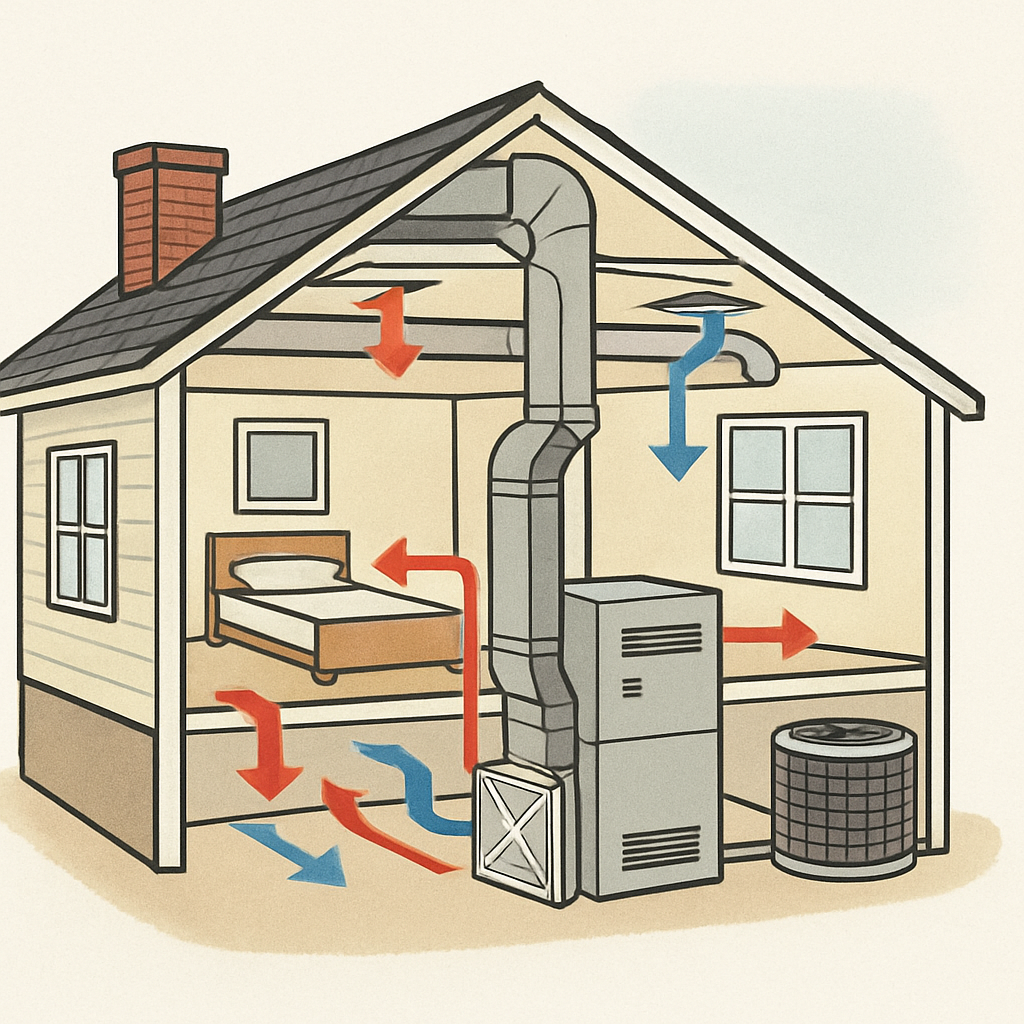
Evaluating your home's HVAC requirements is a crucial first step. It ensures you choose a system tailored to your space. Start by considering the size of your home and the number of rooms.
The local climate significantly impacts your HVAC needs. In St. George, Utah, for instance, systems must handle both hot summers and cooler winters. This requires an adaptable heating and cooling solution.
Several factors play into selecting the right system. Be sure to assess:
The home's size and layout
Insulation levels and window placements
Existing ductwork and system compatibility
Climatic conditions and seasonal variations
Taking time to thoroughly assess these factors helps in making an informed decision. It also ensures maximum efficiency and comfort in your living space. Understanding these aspects sets the foundation for selecting the perfect HVAC system for your home.
Choosing the Right HVAC System for Your Home
Selecting the ideal HVAC system is crucial for home comfort. Several types are available, each with distinct benefits. Evaluate your priorities and lifestyle to make the right choice.
Consider energy efficiency when choosing a system. Modern units often feature advanced technology for greater savings. These systems can reduce utility costs and environmental impact.
It's also vital to think about your home’s unique characteristics. Multi-story homes, for instance, may need different solutions compared to single-story ones. Personalized options like zoning systems might be beneficial.
Here are some popular HVAC options:
Central air conditioners
Heat pumps
Ductless mini-split systems
Hybrid systems
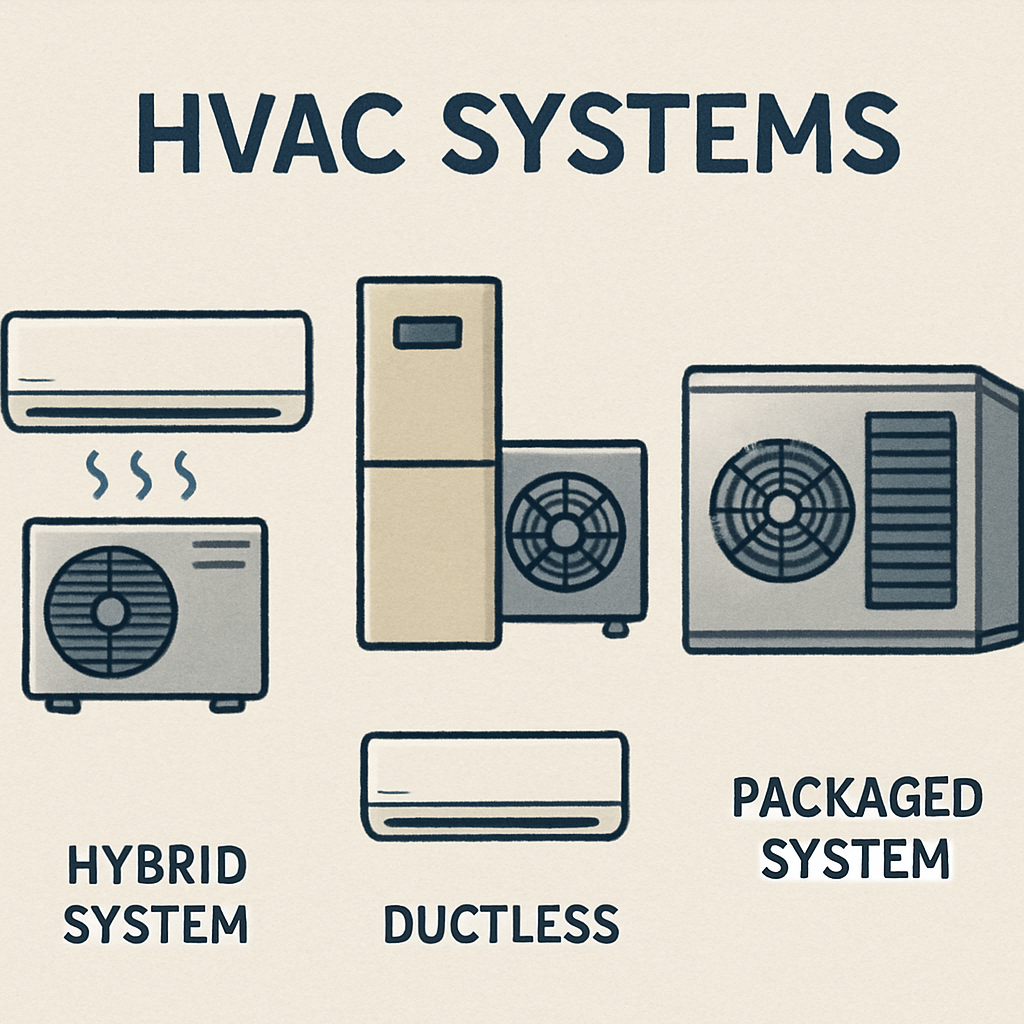
Keep long-term needs in mind when selecting a system. A system with smart integration and adaptability ensures future compatibility. This approach provides consistent comfort and efficiency over time.
Preparing for HVAC Installation
Preparation is key to a smooth HVAC installation. Start by clearing space around the installation area. This ensures that technicians can work without obstruction.
Next, ensure that the site is accessible for equipment and personnel. Confirm that all areas involved in the installation are reachable. This includes spaces for ductwork and outdoor units.
Review any local regulations and permits needed for installation. Being informed about these requirements prevents delays. Adhering to local codes is crucial for a compliant and safe installation process.
Here's a quick checklist to help you prepare:
Remove obstacles from the work area
Verify accessibility for technicians and equipment
Review local building codes and acquire necessary permits
Proper preparation leads to an efficient installation, reducing potential hiccups. Your readiness helps contractors execute their tasks smoothly and effectively.
The Step-by-Step HVAC Installation Process
A residential HVAC system installation follows a clear sequence of steps. These steps ensure your system works efficiently from day one. Understanding the process helps you anticipate what to expect and prepare accordingly.
1. Assessment and Planning
First, technicians perform a thorough assessment of your home. This involves checking existing ductwork and evaluating your home's insulation levels. They also consider the local climate, particularly for residents in places like St. George, Utah.
2. Sizing and Selection
Choosing the right size and type of system is critical. An HVAC unit that is too small won't heat or cool adequately. Conversely, an oversized system can be inefficient and lead to higher bills.
3. Ductwork and Infrastructure
Next, the installation involves laying out or repairing ductwork. Proper ductwork ensures efficient air distribution throughout the house. Technicians check for leaks and ensure proper sealing.
Here’s a checklist for this phase:
Remove and dispose of old systems
Repair or replace ductwork if necessary
Ensure insulation is up to standards
4. Equipment Installation
Installing major components follows, including the furnace and air conditioner units. The outside compressor is positioned and connected. The interior units are set up to handle distribution and filtering.
5. System Connections
Technicians then connect all wiring and refrigerant lines. Proper connections are crucial for safety and performance. This step involves testing electrical circuits to ensure safety.
Connect wiring with precision
Secure refrigerant lines to prevent leaks
Check electrical circuits for safety compliance
6. Testing and Final Adjustments
Finally, they test the system to ensure proper operation. Adjustments are made for optimal performance and efficiency. This stage ensures your home climate is comfortable and consistent.
Completing these steps prepares the system for use. With an installation completed by professionals, you enjoy comfort without hassle. Each stage is vital to the longevity and efficiency of your HVAC system.
Ensuring Quality: Testing, Commissioning, and Inspection
Once the HVAC installation is complete, quality assurance steps follow. Testing each component ensures everything functions as expected. This process also checks system efficiency and safety.
Commissioning involves configuring the system to meet your specific needs. Adjustments are made for optimal airflow and temperature consistency. This ensures your HVAC system operates at peak performance.
Regular inspection post-installation is crucial. A professional should review the entire setup to confirm correct installation and adherence to safety standards. These inspections help identify potential issues early.
Test all functional components
Configure for optimal performance
Conduct thorough post-installation inspections
These steps guarantee that your HVAC system provides comfort efficiently and safely. Quality assurance is the key to extending the lifespan of your system.
Post-Installation: Maintenance and Optimization Tips
Proper maintenance is essential for your HVAC system's long-term performance. Regular checks can prevent potential issues and enhance efficiency. Taking proactive steps helps avoid costly repairs down the line.
Routine cleaning of filters is vital. Dirty filters reduce system efficiency and impact air quality. Changing filters every three months is a good rule of thumb for most systems.
Monitoring energy usage and system performance helps you identify anomalies early. Look for signs like unusual noises or increased energy bills as indicators of a problem.
Schedule regular professional inspections
Keep outdoor units free from debris
Replace air filters routinely
Following these tips keeps your HVAC system running smoothly. Enhanced efficiency not only saves energy costs but also ensures consistent indoor comfort. Effective maintenance leads to a longer-lasting HVAC system.
Cost Considerations and Financing Options
Installing a residential HVAC system can be a significant investment. It's essential to understand the costs involved to plan accordingly. Budgeting includes the price of the system, installation fees, and any additional components required.
Several financing options can make the purchase more manageable. Some HVAC contractors offer financing plans with installment payments. Homeowners should explore these options to find the best fit for their financial situation.
Energy-efficient HVAC systems may qualify for rebates or tax credits. These incentives can reduce overall costs. Evaluating all available options can lessen the financial burden.
Compare local contractor quotes
Investigate available rebates or credits
Consider financing plans from reputable sources
Choosing the right financing method can significantly ease your budget. Thoughtful planning ensures affordability without compromising comfort.
Choosing a Professional HVAC Contractor in St. George, Utah
Selecting the right HVAC contractor is crucial for a successful installation. In St. George, Utah, homeowners should prioritize experience and professionalism. A knowledgeable contractor understands local climate needs and building codes.
Look for credentials and customer reviews to gauge reputation. A reliable contractor will provide transparent pricing and detailed project timelines. Communication is key to ensure alignment on project expectations.
Checklist for Selecting a Contractor:
Verify licenses and certifications
Request references from past clients
Confirm insurance coverage and warranties
Choosing a qualified contractor in St. George ensures your HVAC system is installed efficiently and meets local standards. A trustworthy professional can make the installation process smoother and more effective.
Frequently Asked Questions About Residential HVAC Installation
Choosing to install a new residential HVAC system raises many questions. Homeowners often worry about cost, efficiency, and the timeline for installation. Understanding these elements helps in making informed decisions.
Common Questions Include:
How long does installation typically take?
What size system is right for my home?
Are there energy-saving options available?
By addressing these questions, you can anticipate and prepare for the installation process. Seeking professional advice can offer clarity and peace of mind during this significant home upgrade.
Conclusion: Enjoying Comfort and Efficiency Year-Round
Embracing a new HVAC system transforms your home into a haven of comfort. With modern systems, you experience improved air quality and reduced energy bills.
A well-installed system ensures reliability throughout the year. Regular maintenance keeps your HVAC system operating smoothly, maximizing performance and efficiency. Enjoy a comfortable living space and peace of mind, knowing your home's climate is perfectly managed in every season.
